Fearscapes
Dana Martin
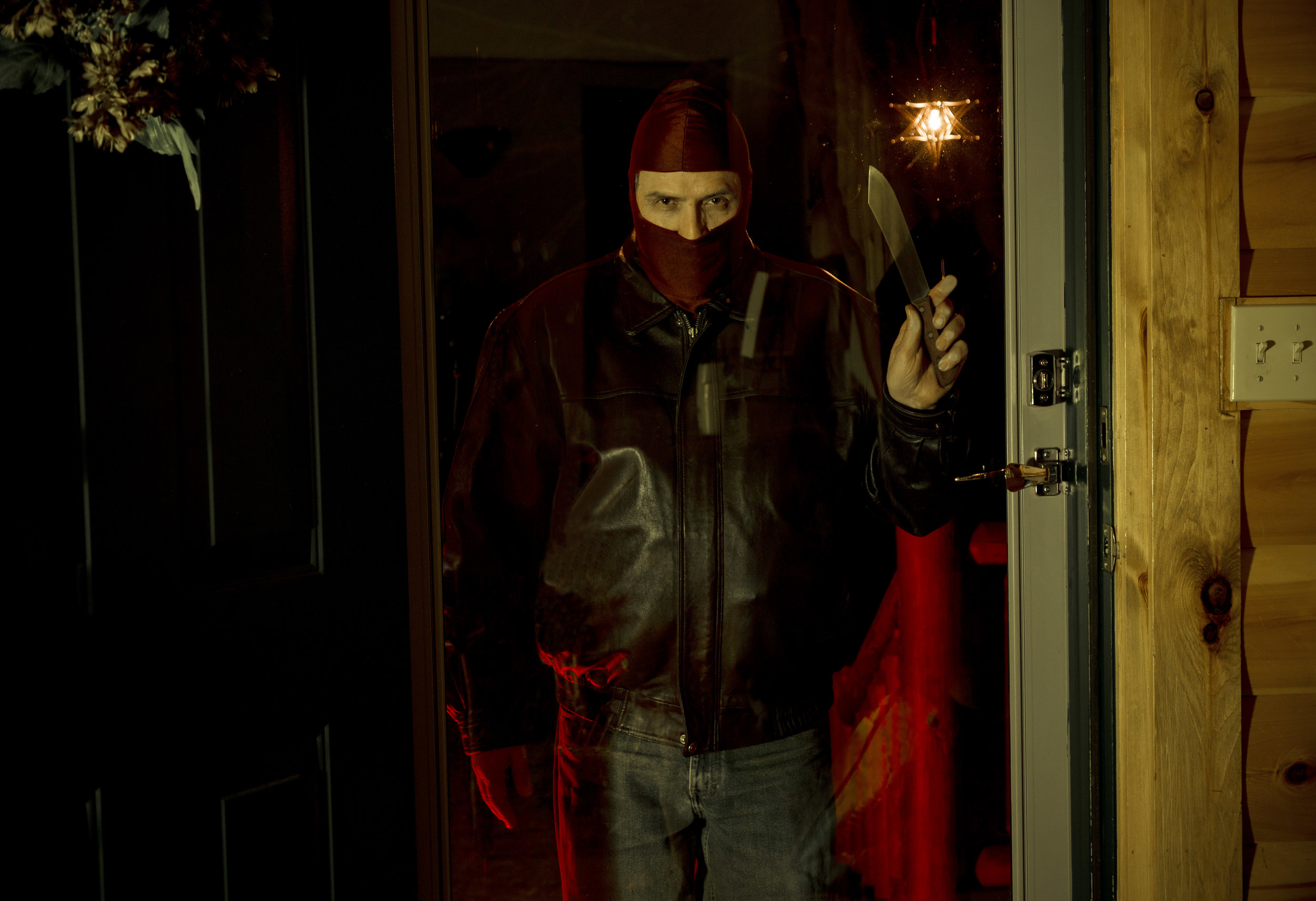
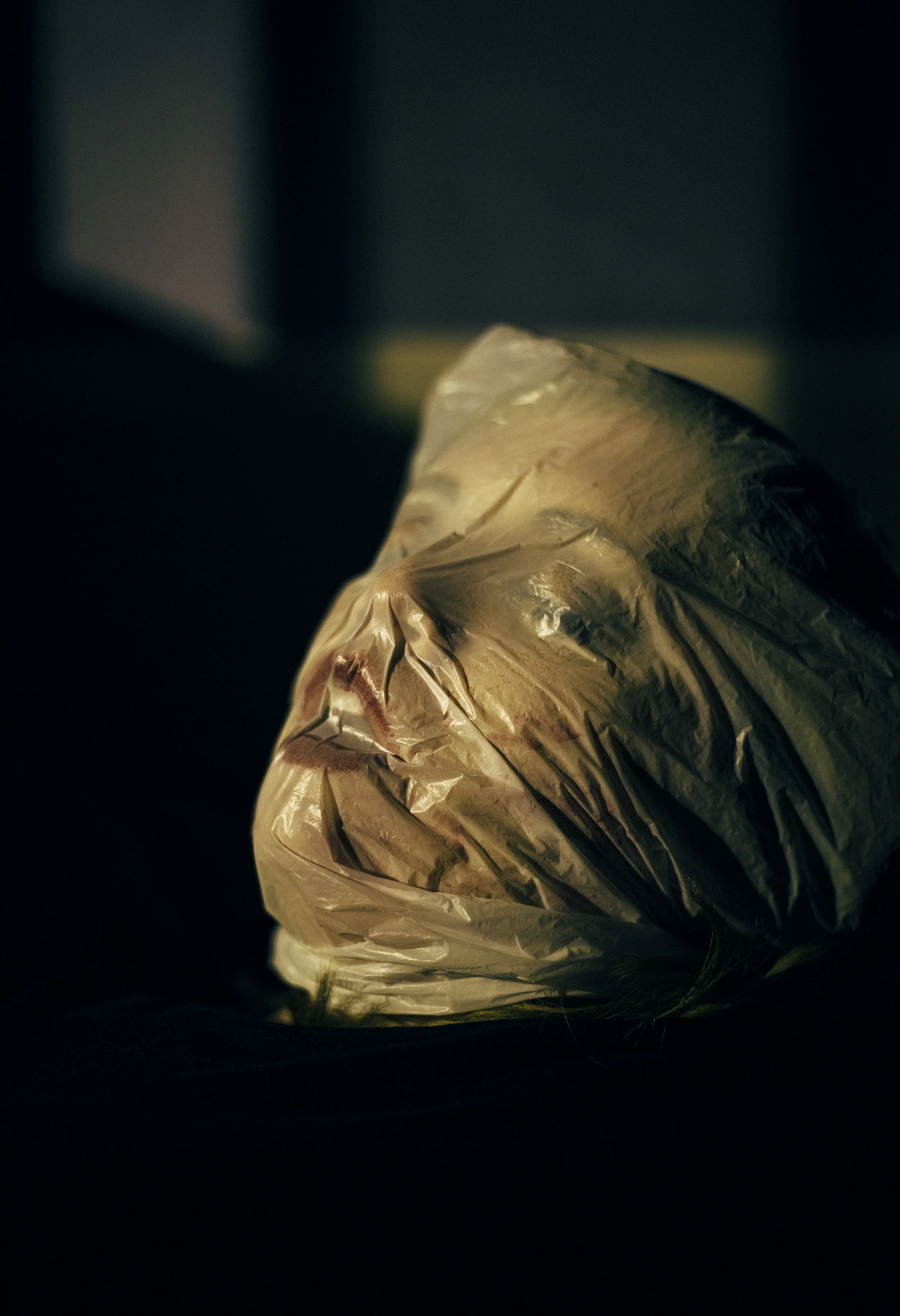
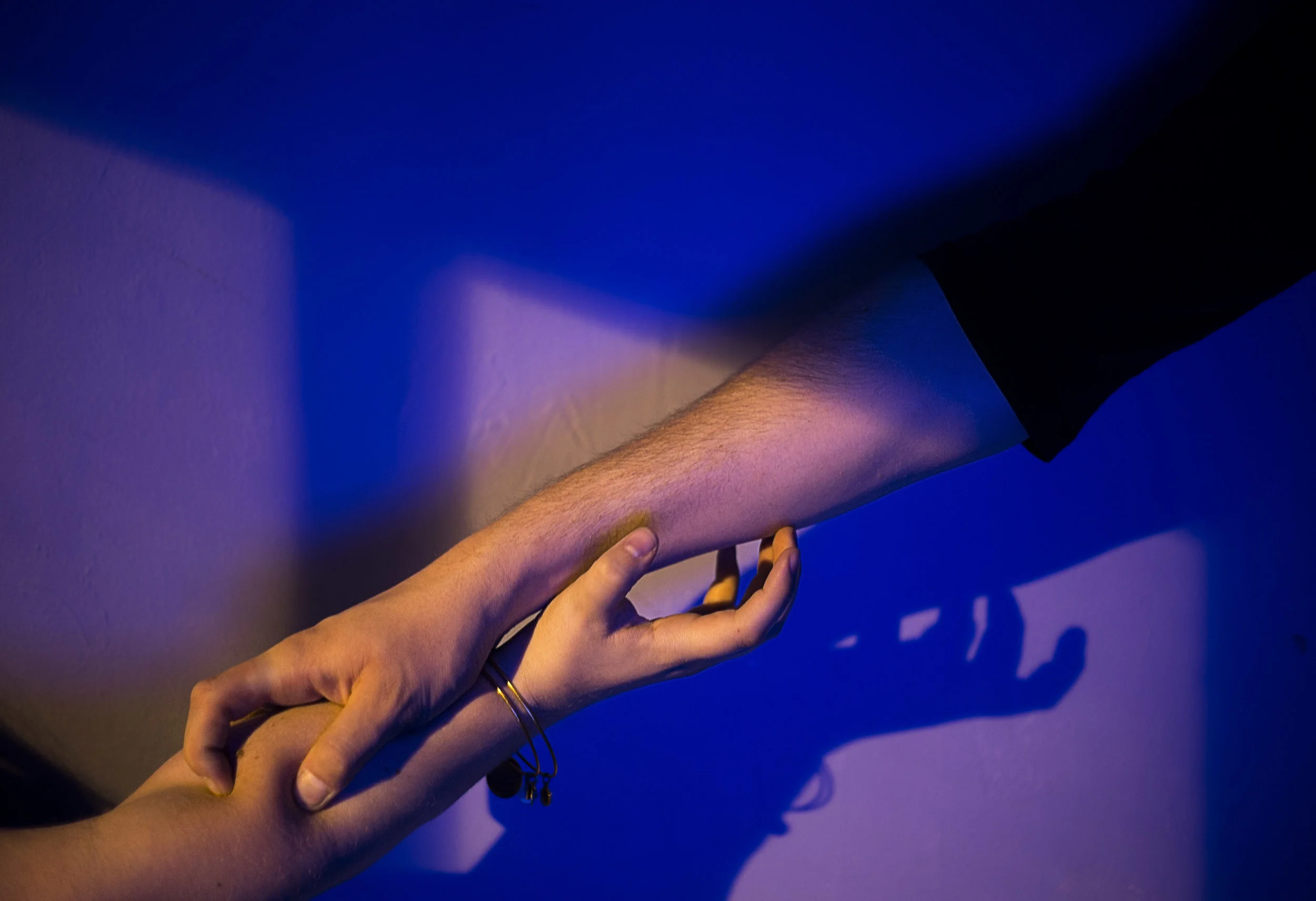
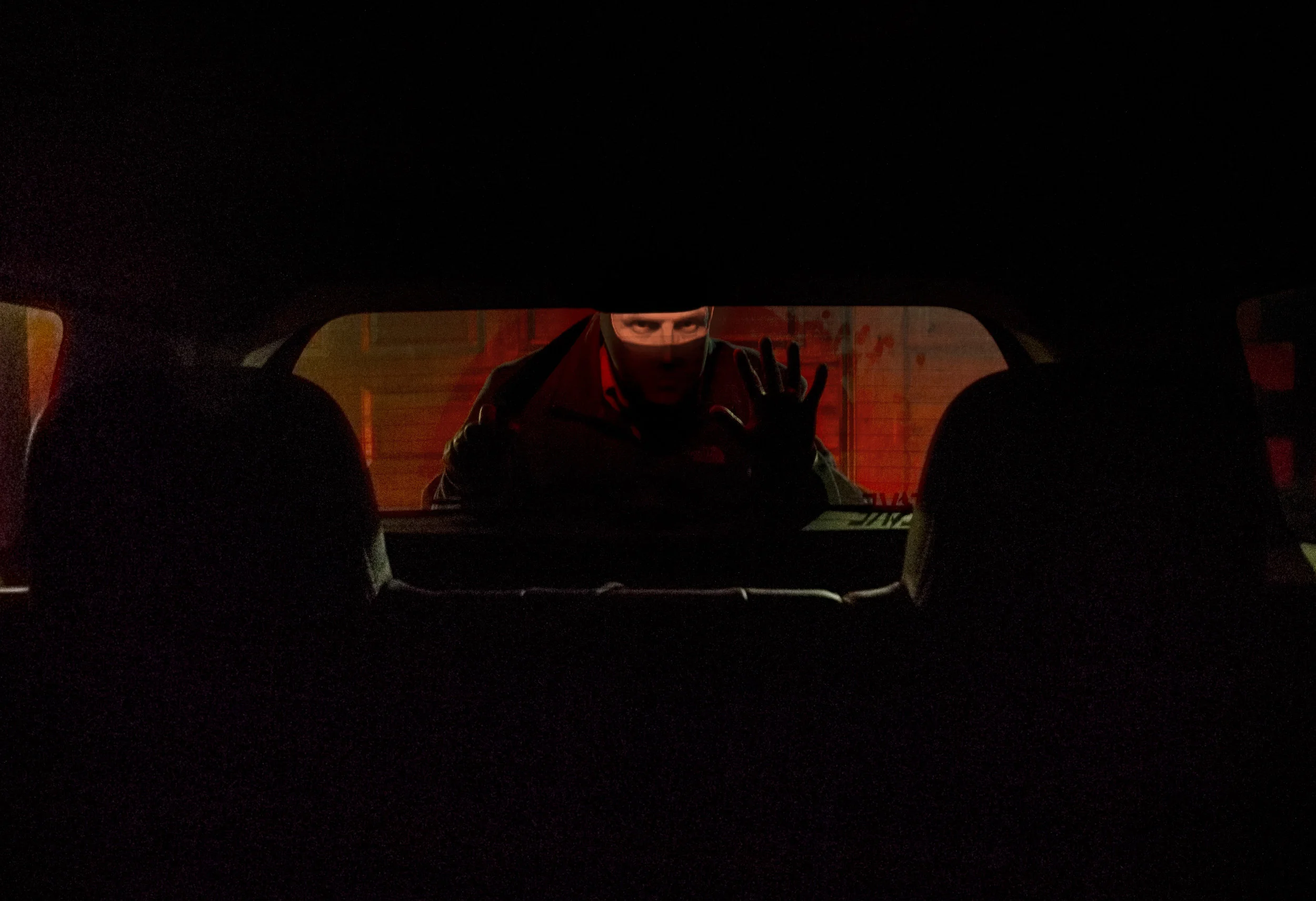
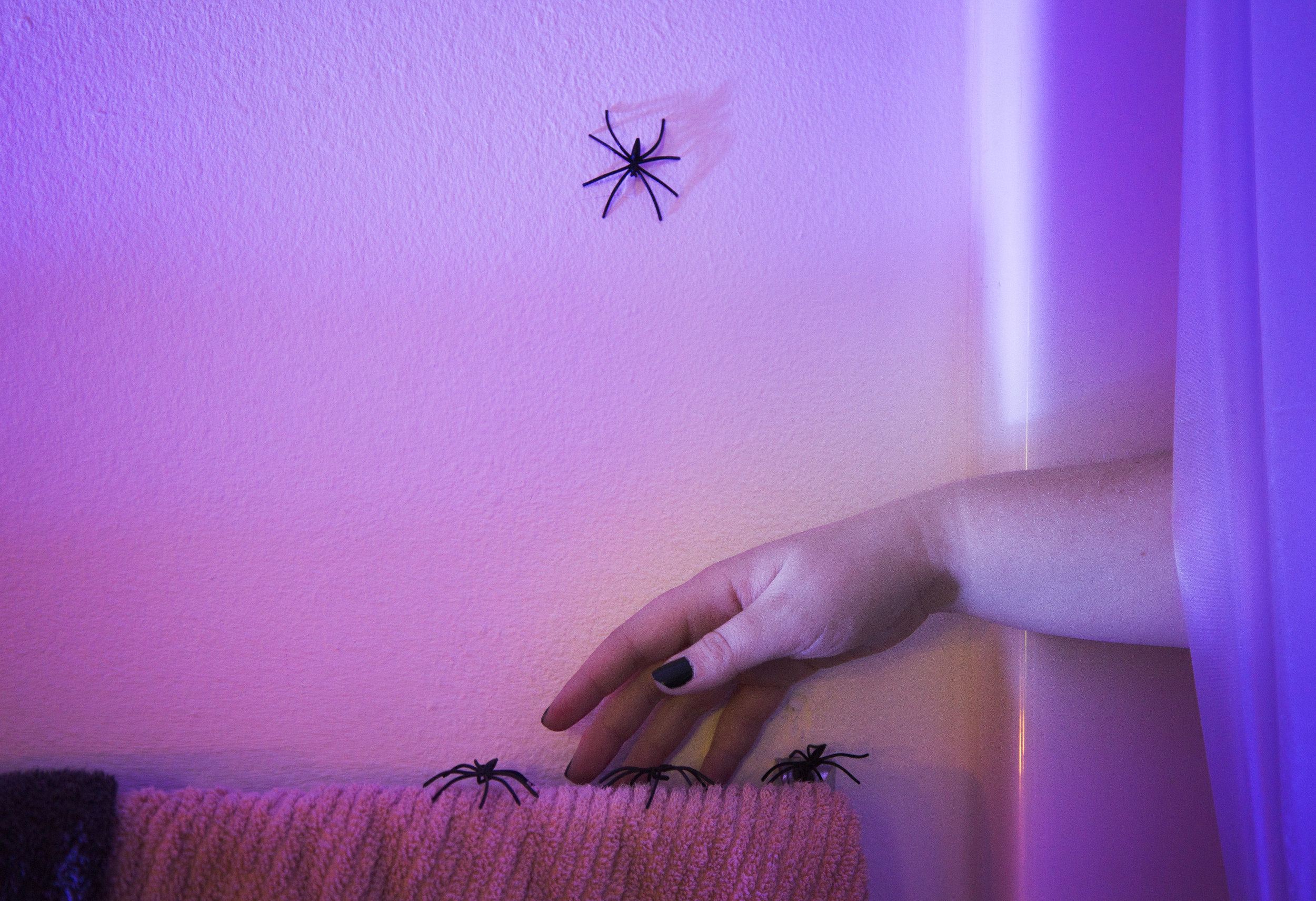
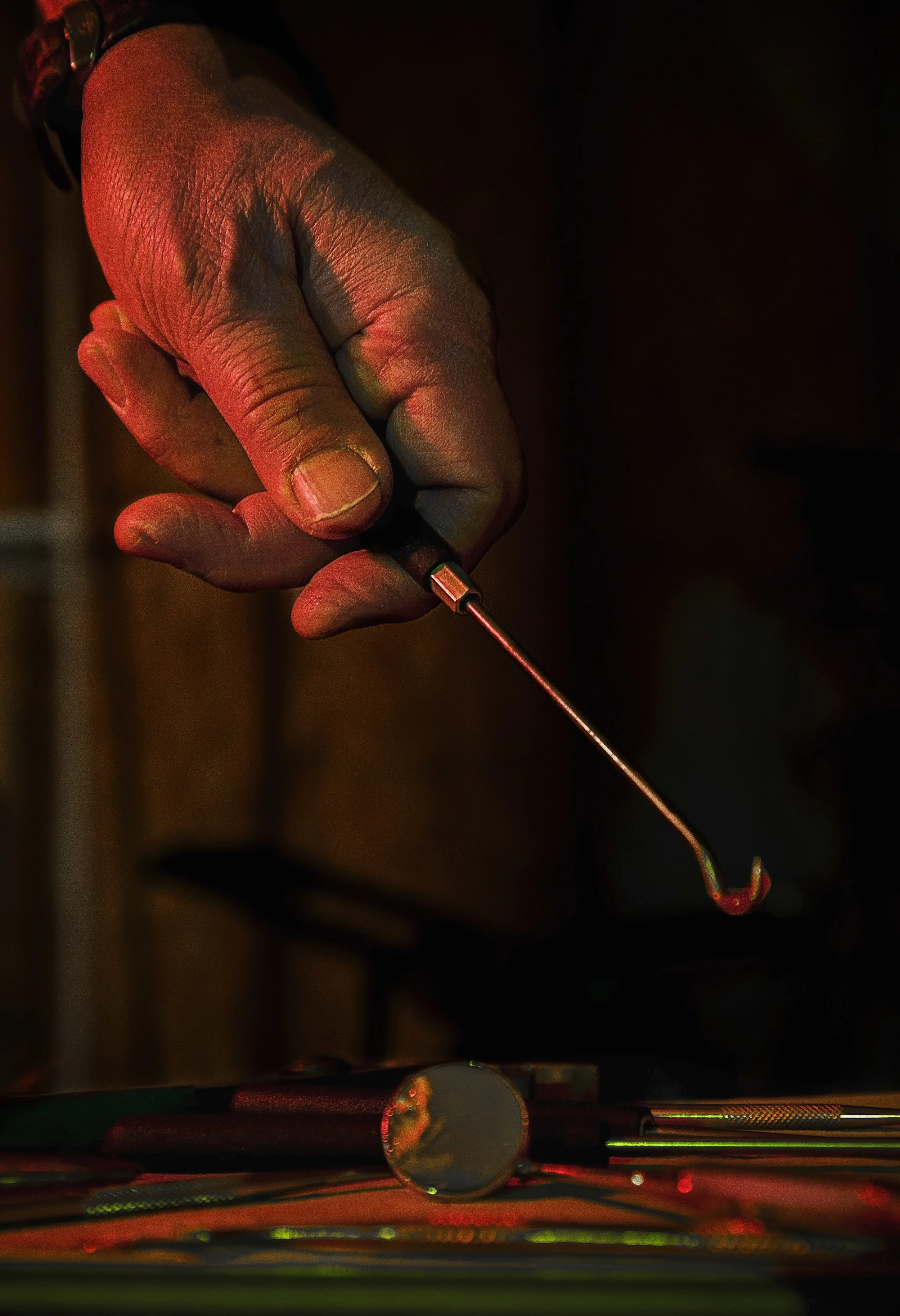
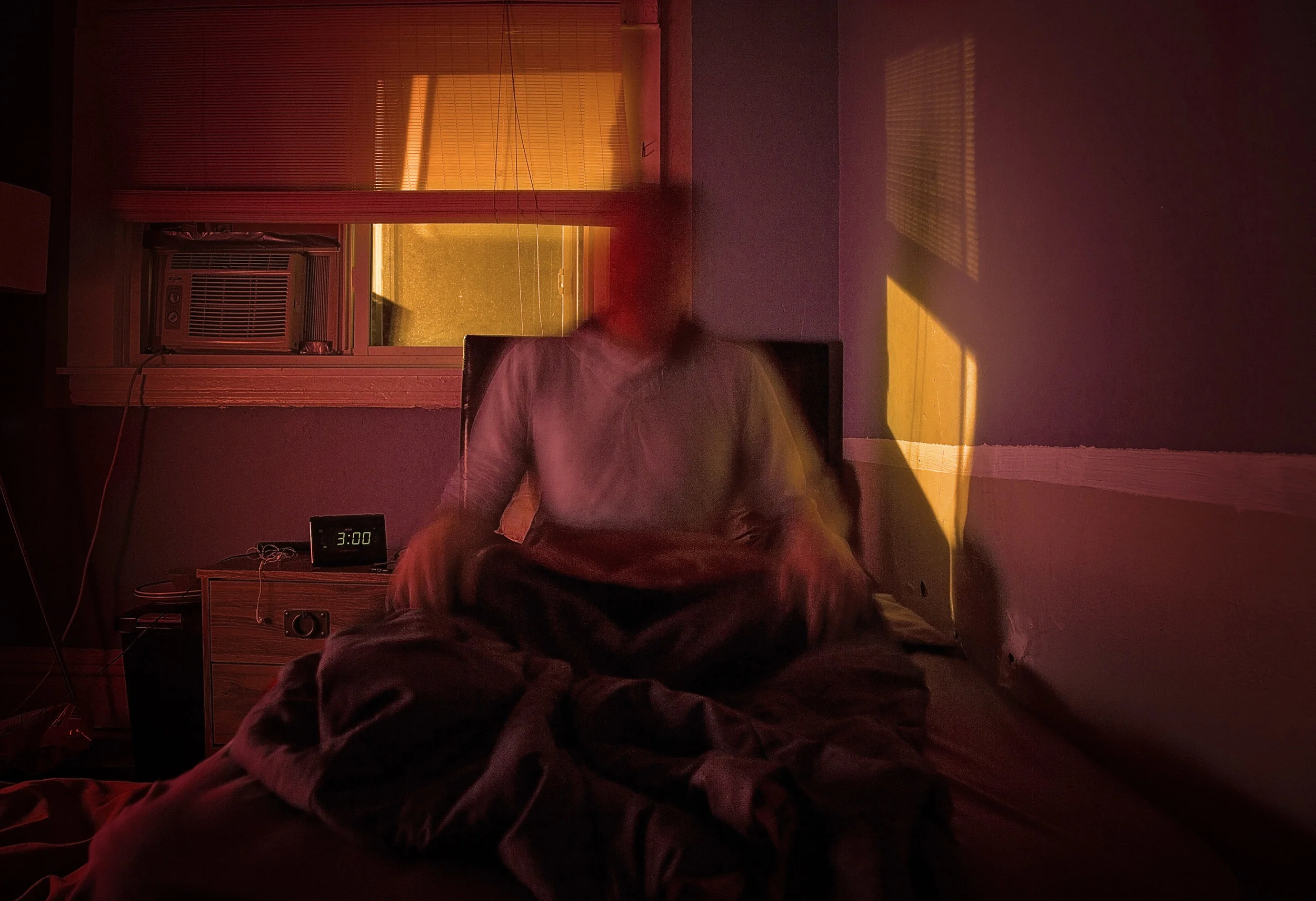
This body of work examines how fear manifests within ordinary, domestic environments. Phobias such as haphephobia, ophthalmophobia, pediophobia, and somniphobia are rooted in the mind, shaped by lived experience, memory, and perception. While these fears may not be universally experienced, they are psychologically real to those who endure them. Through staged, cinematic imagery, I translate internal anxiety into visual form.
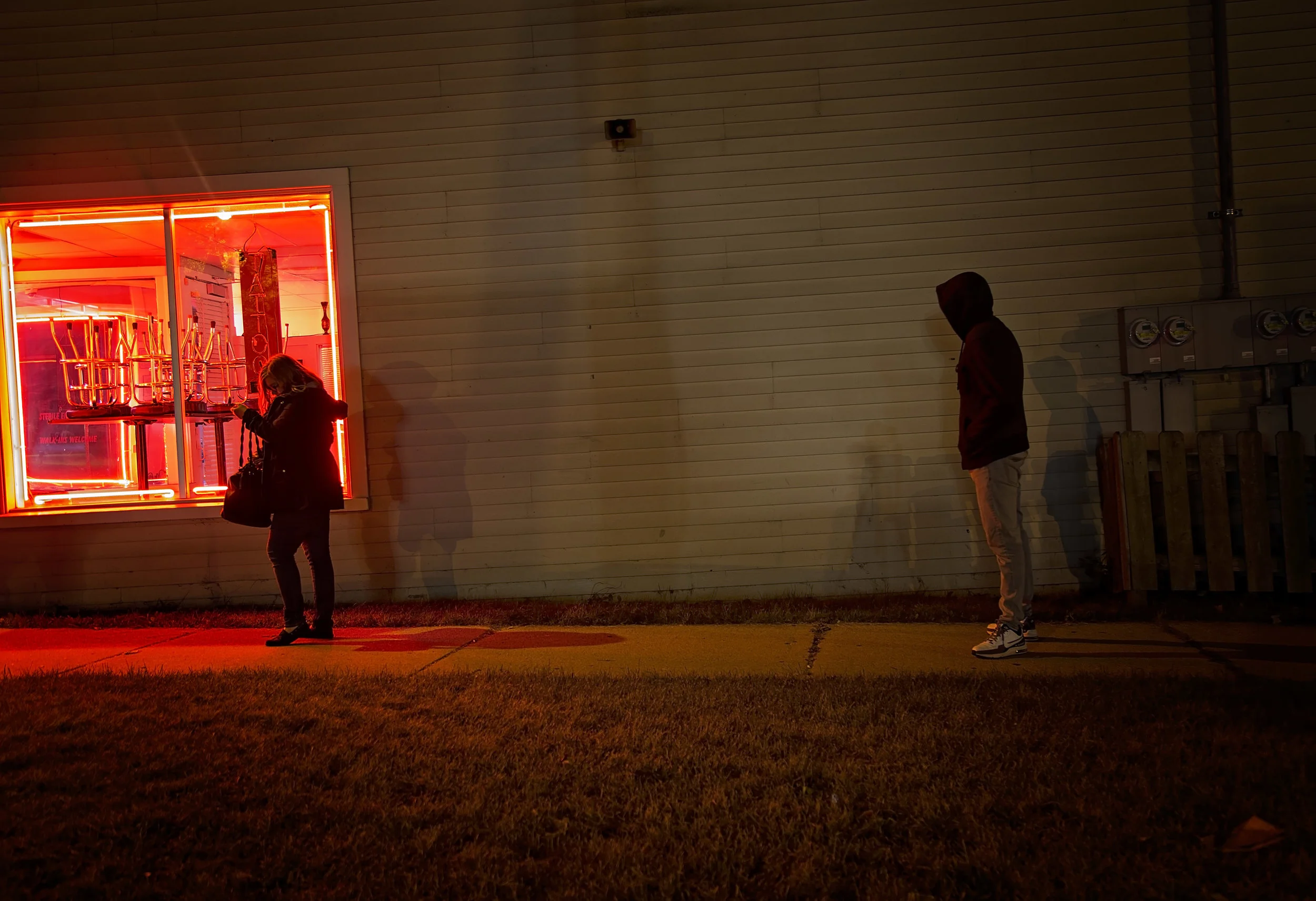
By situating fear within garages, bedrooms, sidewalks, and basements, I collapse the distance between viewer and subject. These are spaces we recognize. They are familiar, lived-in, and unremarkable. Placing fear within these environments destabilizes the ordinary and invites viewers to imagine themselves inside the scene. The work becomes both immersive and empathetic, offering insight into how anxiety can inhabit even the most mundane settings.
Lighting functions as the primary emotional language throughout the series. Drawing inspiration from Nicolas Bruno’s surreal psychological staging and Franck Bohbot’s use of artificial found light, I construct scenes where color becomes narrative. Amber tungsten light, saturated neon red, and the cool glow of television blue interact within the frame to create chromatic tension. These color contrasts pull viewers closer before revealing unsettling subject matter. The warmth of a streetlight or bedroom lamp initially feels inviting, yet the emotional undercurrent shifts as the viewer recognizes the anxiety embedded within the image.
The work relies on controlled realism rather than overt horror. Fear is not presented as spectacle, but as atmosphere. A blurred figure in a bedroom at 3:00 a.m., a body recoiling from touch beneath blue light, a doll illuminated in theatrical red, or a shadowed presence across a sidewalk all suggest psychological experience rather than literal threat. The ambiguity allows space for projection. The viewer fills in the narrative.
Ultimately, this series seeks to visualize the internal experience of fear in a way that fosters empathy. By merging cinematic lighting, color theory, and staged domestic realism, I aim to make invisible anxieties tangible. Whether or not the viewer shares these specific phobias, the emotional reality remains valid. Fear does not require universal understanding to be real.